
DIGI-METER reaches Month 6 with a focus on digital competence mapping across Europe
By Marios Hadjiaros (Delphi College) · 28 August 2026 · 5 min read
Why digital competence assessment needs a common reference
DIGI-METER, short for Measuring Digital Competence for Resilient Learning Ecosystems, is co-funded by the European Union under the Erasmus+ programme. The project responds to a very real challenge in education. Digital skills are now essential for learners, teachers and institutions, but the way they are assessed is not always consistent, transparent or easy to compare between countries.
The project is built around the DigComp 2.2 framework, which provides a common European reference for digital competence. However, using a framework in practice is not the same as simply referring to it in policy documents. Schools, vocational education providers and other learning organisations need practical tools, clear indicators and assessment methods that can work in real learning environments.
This is where the first phase of DIGI-METER becomes important.
Mapping frameworks and identifying gaps
During the first six months, the consortium has been working on Work Package 2, Framework Mapping and Indicator Development, led by SciCo. The main focus has been to map national digital competence frameworks and compare them with DigComp 2.2. This work helps the project identify where current systems are aligned, where they differ and where important assessment gaps still exist.
A key result of this phase is the preparation of Deliverable D2.1, the Ecosystem Mapping & Gap-Analysis Report. This public report, due in Month 6, is designed as an analytical document comparing national digital competence frameworks with DigComp 2.2. It also includes a gap matrix and recommendations that will guide the next steps of the project.
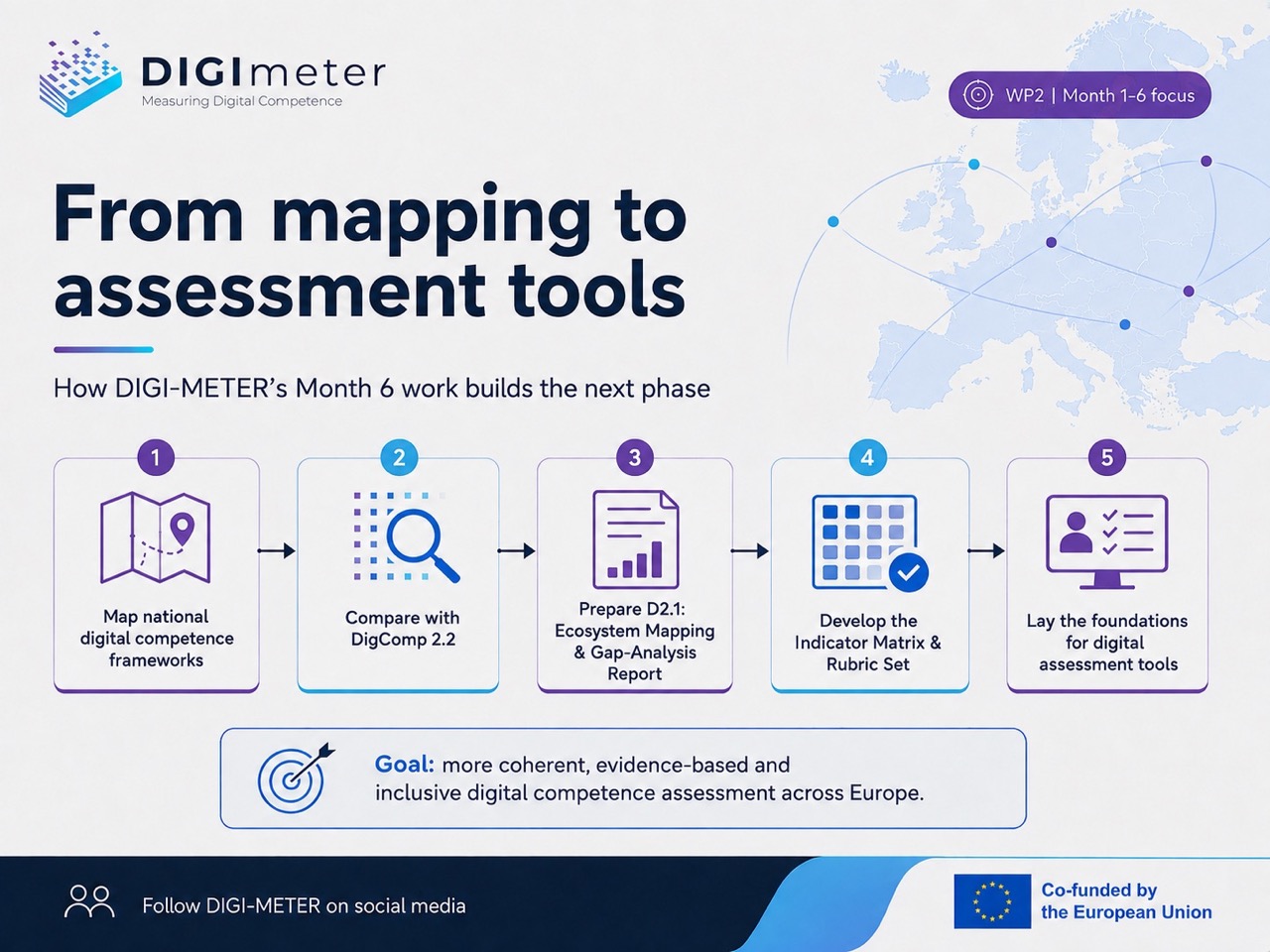
Figure 1. DIGI-METER’s Month 1-6 mapping work and how it supports the next phase.
Turning research into practical assessment tools
This mapping work matters because digital competence assessment cannot be improved without first understanding the current landscape. In many cases, education systems already recognise the importance of digital skills, but assessment practices may still be fragmented. Some competences may be well covered, while others may be underdeveloped or difficult to measure. There may also be differences in how learners’ progress is described, how evidence is collected and how results are used by teachers, schools or policymakers.
By identifying these issues early, DIGI-METER is creating a stronger foundation for the tools and resources that will follow. The findings from the mapping phase will feed into the development of the DIGI-METER Indicator Matrix and Rubric Set, which is planned as the next major output under WP2. This will help translate the project’s research into more structured indicators, level descriptors and assessment logic.
The project’s wider ambition is not only technical. DIGI-METER aims to support assessment that is reliable, inclusive and useful for different education contexts. The future tools will be multilingual and designed with attention to ethics, data protection, transparency and user control. This is especially important as artificial intelligence becomes more present in education and assessment.
At this stage, the consortium’s work is less about producing a final tool and more about making sure the tool is built on solid ground. The questions being asked now are the ones that will shape the quality of the final project results: What is currently being assessed? Which competences are missing or unclear? How well do national approaches reflect DigComp 2.2? What kind of indicators would be useful for learners, educators and institutions?
What comes next
As DIGI-METER moves beyond Month 6, the project will continue developing the indicator framework and preparing the foundations for the design of its digital assessment tools. The work completed so far marks an important step towards more coherent, evidence-based and inclusive digital competence assessment across Europe.
Stay connected with DIGI-METER for further updates, project results and upcoming resources.
Follow DIGI-METER
Project updates, results and upcoming resources:
Website · YouTube · Facebook · Instagram · LinkedIn
Funded by the European Union. Views and opinions expressed are however those of the author(s) only and do not necessarily reflect those of the European Union or the European Education and Culture Executive Agency (EACEA). Neither the European Union nor EACEA can be held responsible for them. (Project Number: 101259860)
